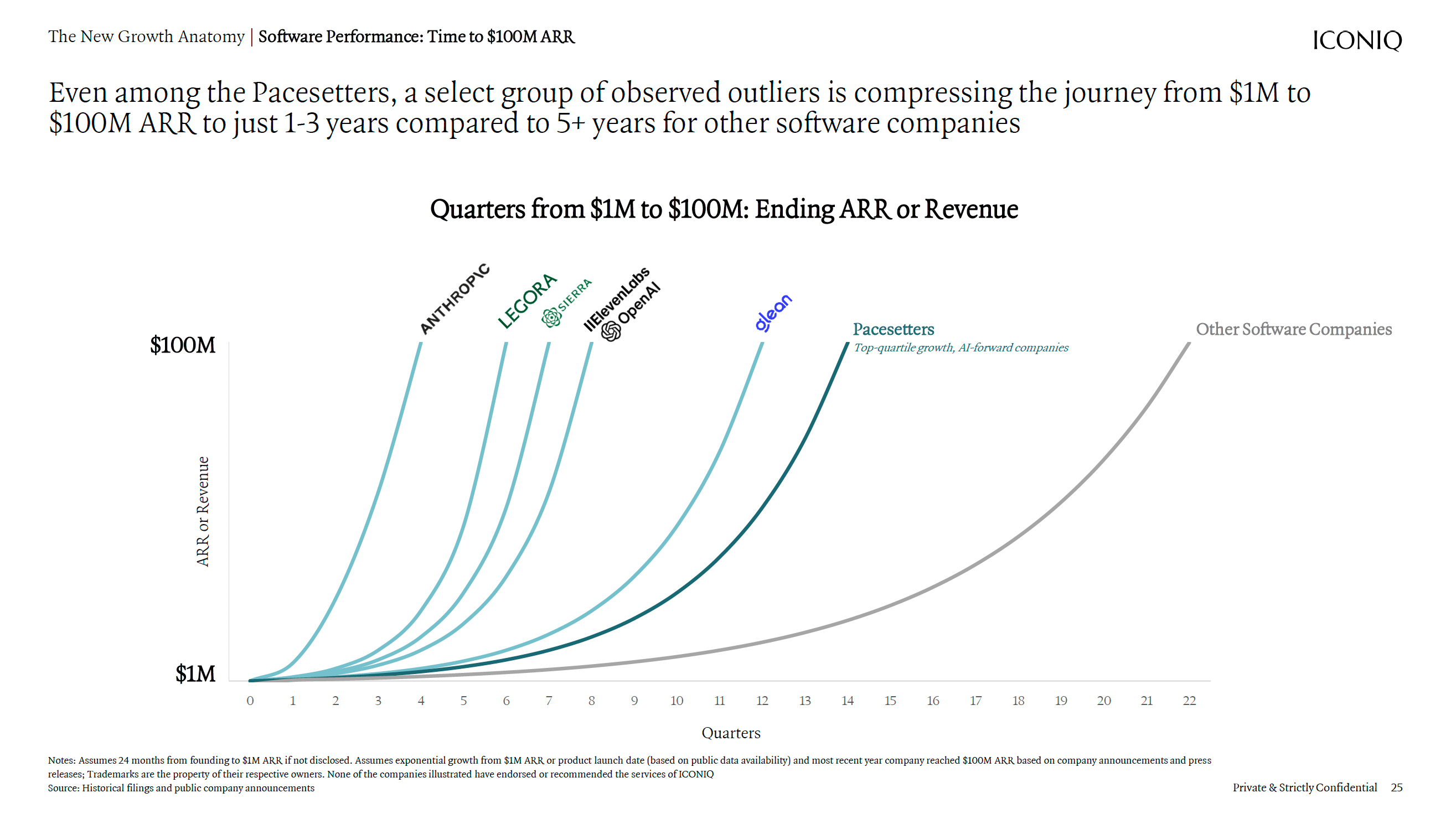
The talk of the week was Jev, launched by TypeSafe AI. Before diving into the what and why, all I want to tell you is that this team built in stealth for two years without letting anyone know. I know you see all those revenue charts like this one from Iconiq just published this past week and we all know VCs are obsessed with this growth which is insane! But I want to remind you that hard things take time to build and when they’re awesome and different, you can catch lightning in a bottle.
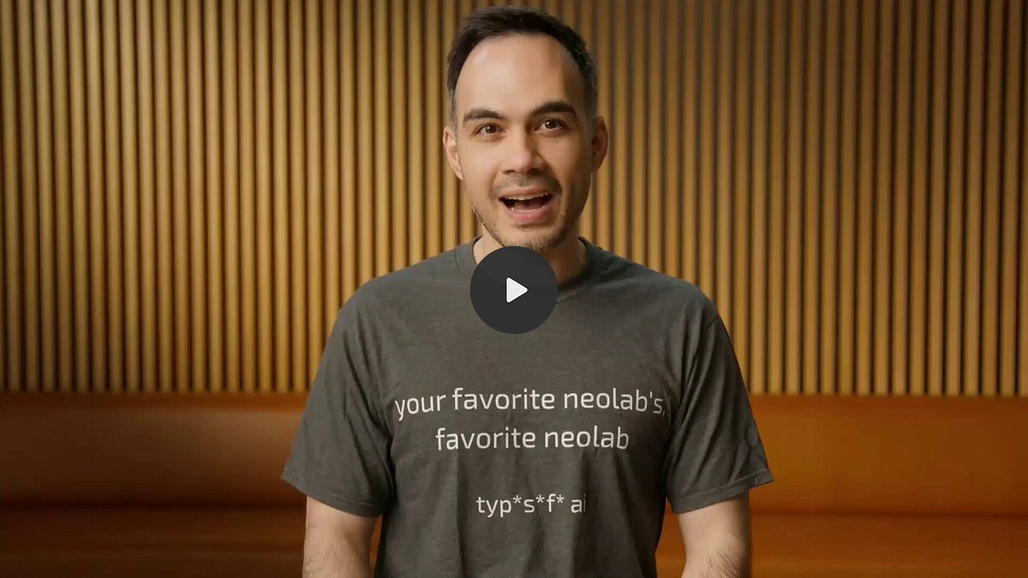
Here’s Jev. The launch post has 36M views. It helps that the tech is lights out, and its founder helped create the research behind ChatGPT. And yeah, it was a large $40M inception round right out of the gate!

The simplest way to describe it: LLMs are built to talk to people; Jev is built to make fast decisions inside software. It can route a support ticket, flag fraud or decide whether a task should go to GPT, Claude or Gemini, and whether a frontier model is needed at all. The frontier models reason and write; Jev could become the fast, cheap decision layer around them.
Here’s the interesting tension: Jev took two years of quiet, hard work to build. But tools like Jev could help the next generation arrive much faster as AI begins optimizing infrastructure and contributing to AI research. Hard things still take time, but what happens when each generation helps build the next? That brings me to two other stories this week: are we getting closer to recursive self-improvement?
Both Z.ai, the team behind GLM, and Anthropic point in that direction, although to varying degrees.
Z.ai offers the more tangible example: an infra agent powered by GLM-5.3 helped optimize the infrastructure serving GLM-5.3-Flash, taking it from its first run on domestic accelerators to production in under two weeks—with 3.2x the throughput.


and here’s Anthropic:

Anthropic is looking at the bigger picture, introducing measurements to track how much AI R&D is being performed by AI and how quickly that contribution is growing.
This isn’t the autonomous intelligence explosion that people imagine when they hear “recursive self-improvement.” Humans still set the goals, design the systems and evaluate the results. But the feedback loop is becoming real: AI is increasingly helping build, optimize and evaluate the next generation of AI.
The near-term takeaway is speed. Small teams can compress months of infrastructure and research work into weeks, and each generation of models can help accelerate the arrival of the next. That compounding improvement, not some overnight leap to AGI, is what matters today.
As always, 🙏🏼 for reading and please share with your friends and colleagues!
Scaling Startups
#advice for founders

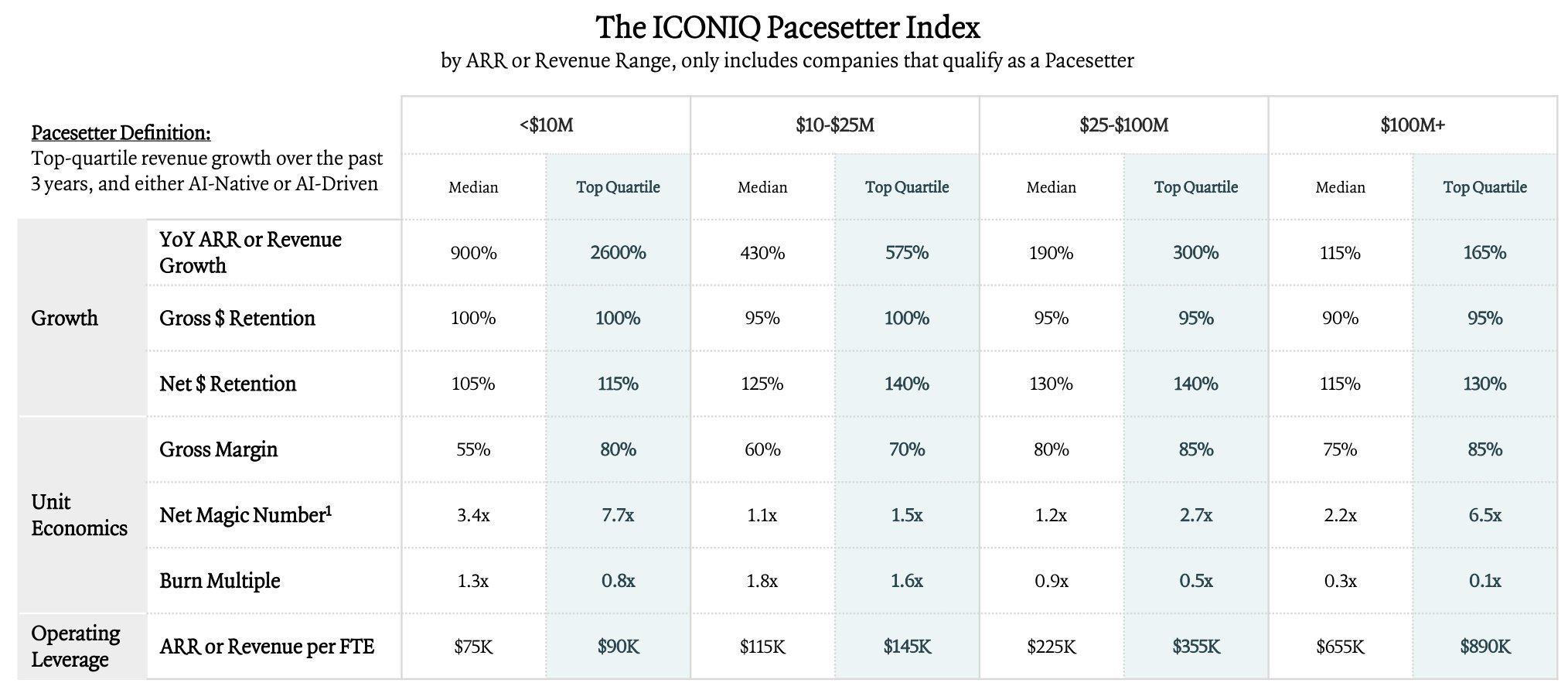
#we’ve never seen anything like this before! according to ICONIQ, for startups below $10M in revenue, median growth is now 10x and top-quartile growth is 27x 🤯 . AI has completely reset the benchmark for what exceptional early-stage growth looks like. The gap between the breakout companies and everyone else is widening fast. Full ICONIQ deck here (h/t OnlyCFO)
Enterprise Tech
#must read — researchers used a poisoned image upload on OpenAI’s community forum + a login flaw to hijack employee ChatGPT/Codex accounts (and anything connected: GitHub, Slack, email), proved it with an internal PR, all in under 72 hours with AI helping write the exploit. Architecture > patch theater. In layman’s terms this is how rickety the foundation of tech that we are building on is:
Someone uploads a weird image file (HEIF) to the OpenAI help forum → an old image library blows up and gives them a foothold on the forum servers → a separate “sign in with OpenAI” flaw turns that into hijacking real ChatGPT/Codex logins. The scary part isn’t just “hacked a forum” - it’s that one login tied the help forum to the product, and the product ties to everything else.


#psyched for my friend Peter Yared’s new launch of AgentCloak - use the frontier lab models without you being the product!

#the continued threat for the frontier labs - DIY models and now more folks are buying own GPUs


#speaking of, the golden rule updated - he who has the gold, makes the rules, it’s now, he who has the compute makes the rules


#easy on, easy off - switching costs are low


#interesting when even Elon agrees but these are all the frontier labs agreeing - OpenAI, Gemini as well


#and from Dario’s essay 👀 - this does seem plausible

#here’s David’s F the regulatory capture - i agree with a lot here esp the importance of open and not regulating ourselves to lose advantage to China

#lots of approaches here on regulation, regulatory capture but i believe Satya sums it up well - need open to thrive too!

#Zuck shares a great perspective on this as well - we don’t regulation, we should do it ourselves because our consumers demand it…and he calls out whether METR is truly independent without stating the name

#perhaps this is why calling for the regulators?

#this IMO is one of the biggest opportunities ahead, bio!


#AGI or not? this post argues its here when the collective swarm operates together - a must read

#🤣 if you loved Russ Hanneman from the tv show Silicon Valley and his VC character, then you have to watch this


Markets
#coming soon - Anthropic is reportedly targeting a November IPO at a potential $2T valuation, with an offering that could raise as much as $100B. If it happens anywhere near those numbers, it won’t just be an IPO—it will set the public-market benchmark for frontier AI and show whether investors are willing to fund the industry’s extraordinary long-term compute requirements.

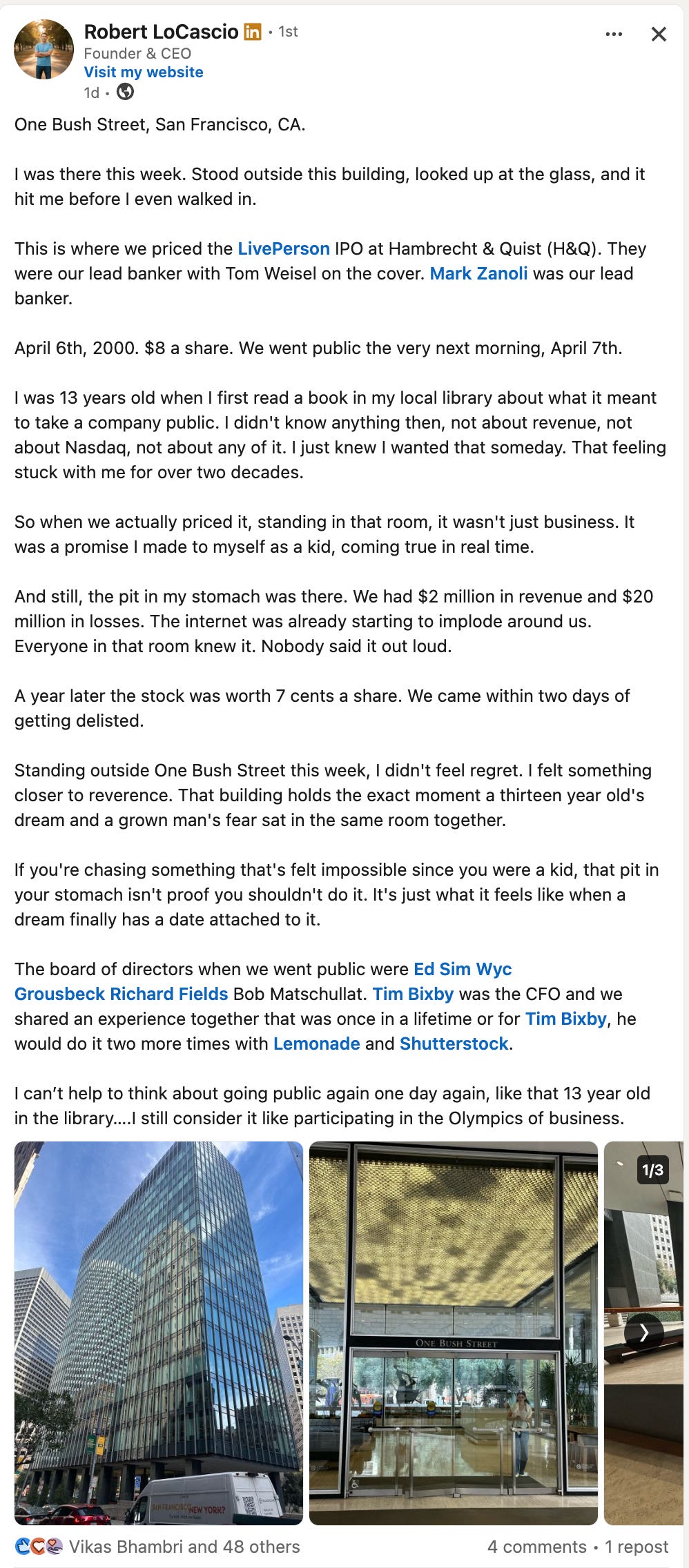
#blast from the past—LivePerson was my first IPO as a board member and one of the last companies to make it out before the dot-com meltdown. Here Rob shares the story. The enduring lesson: timing matters, markets can close overnight, and getting public is only the beginning—the real test is building a company that survives the cycle.