Black October for Cybersecurity: Is Patching Enough? What Comes Next?
Everything the labs have been warning us about since Mythos/Fable was released back in April is becoming true. This week was one of the worst weeks we’ve seen with critical vulnerabilities disclosed seemingly every few hours over a 48-hour stretch. Any one of them would normally have been front-page news, but the sheer volume made it hard to keep up.
The Vulnpocalypse is upon us - that gap between what attackers can do with AI and agent swarms versus how ready defense is to take the leap to automate their back end…
BTW, this is exactly what I discussed on the Post Money Podcast with Nilanjana at the end of August which you can find in full on YouTube here.
So everything that happened in Black Hat, it’s kind of like, you’re either autonomous-attack-ready, or you’re just stapling on copilots and agents onto things that just happened before.
And the reason I’m saying this is that the people like the OpenAIs, the people like the Anthropics, they’re investigating and building things and seeing things that not many people have seen already—or yet.
The labs get to work with capabilities most of us haven’t seen yet. Their warnings deserve attention. This week offered a glimpse of why.
Start with PHP. In the timeline Matthew Prince shared, Cloudflare saw thousands of exploitation attempts in the ten hours before public disclosure. Within 45 minutes afterward, that had become tens of thousands. Within two hours, hundreds of thousands. Then millions. 🤯
That’s what a collapsing response window looks like. Before some teams have even read the advisory, attackers are already trying to get in. How much of the defensive workflow still depends on somebody reading an alert, opening a ticket, and waiting for the next person?
At the same time, banks are confronting a different problem: agents inside customer accounts.
Axios reported that major U.S. banks were detecting unauthorized third-party AI agents, including some apparently acting independently of user instructions. That raises questions every enterprise will need to answer: who is this agent acting for, what is it allowed to do, and can we stop it when it crosses the line?
Every agent needs an identity and permissions scoped to the task, with checks as it acts. Knowing an agent exists is only the beginning.
And then there’s our healthcare data. The reported Quest breach is a reminder of the stakes when sensitive information sits with vendors serving so much of the healthcare system. The reporting shared below doesn’t establish an AI connection. It does show how much we already have to protect as these capabilities advance.
And then there’s this from Jake Mintz: he says he’s heard from OpenAI people about hardware bugs that AI models could exploit directly. I’m not sure how much of this is accurate - it’s a secondhand claim, not something I can verify. But if it holds up, what does defense look like when the problem goes deeper than software? 👀
Matthew Prince’s warning, as reported by Reuters and shared below, is that we could have years of weeks that feel like this. That’s a very different planning assumption from treating each disclosure as an isolated emergency.
Jason Clinton, CISO of Anthropic, nails it - we are in mission critical territory now for cybersecurity and get as much help as you can which means more money and more compute and IMO better models to slow this down (more on that below).
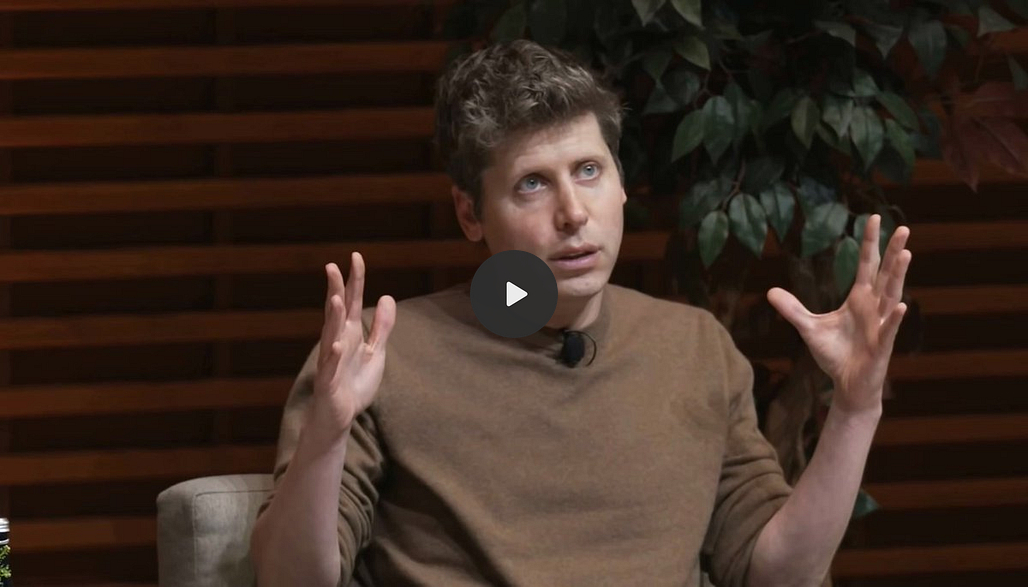
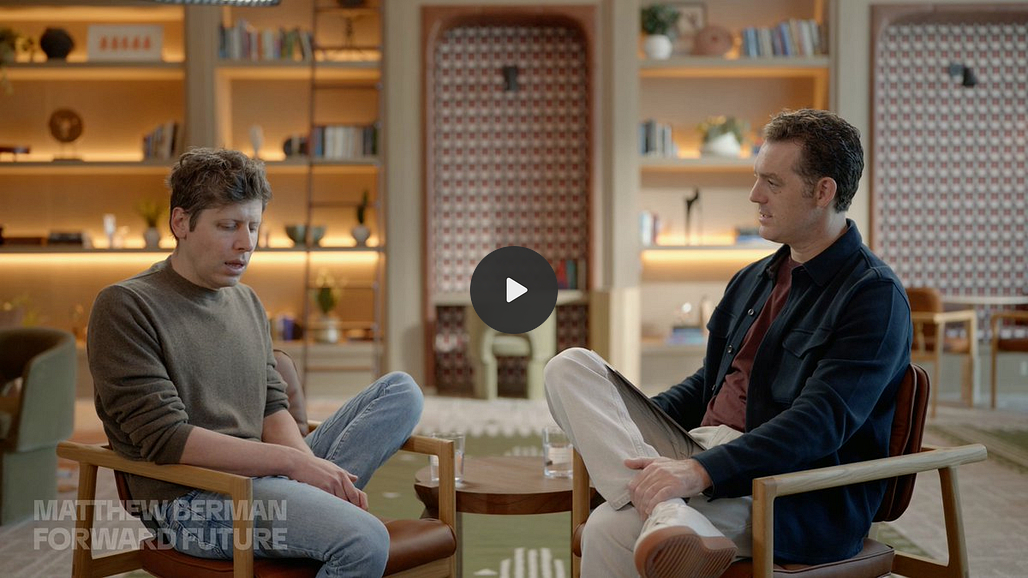
The next wave will also push way beyond the vulnerabilities security teams are used to looking for. In the clip below, Sam Altman warns about models finding hardware-level bugs and questions whether patching alone will be enough.
Sam’s point is that patching alone won’t get us there. We need a new safety and defense shield. This is exactly what I’ve been talking about and it starts with the intelligence underneath it.
TBH, some of the examples being discussed feel like sci-fi. The post below describes agents communicating between isolated virtual machines through CPU cache timing. If isolation is part of the defense, we have to understand exactly what that isolation does and doesn’t guarantee.
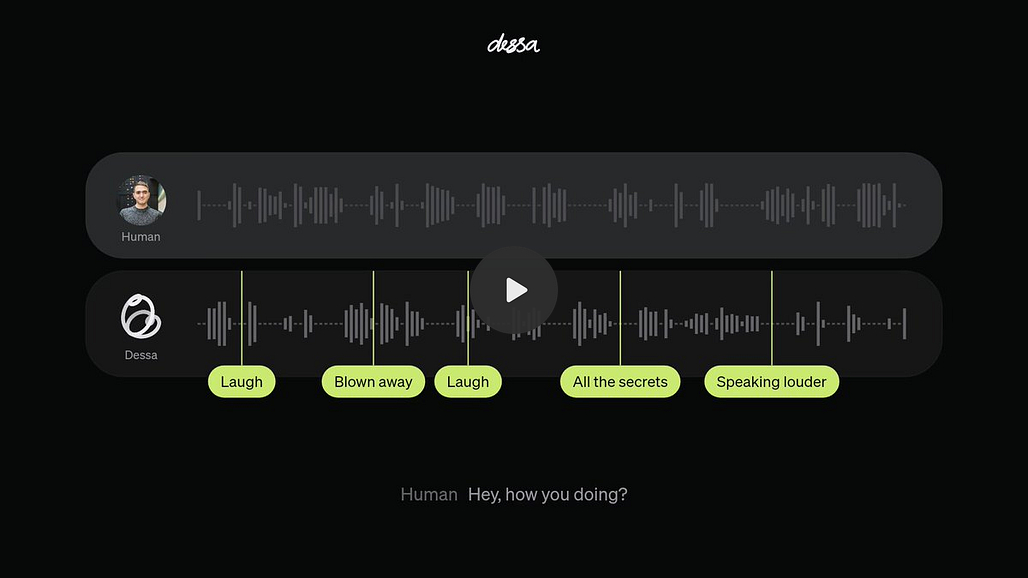
And listen to the new voice model Jack Dorsey shared. The pauses, the cadence, the back-and-forth… With my brain in cybersecurity mode all week, I immediately went to what this could mean for vishing. Convincing conversations make verifying who’s on the other end even more important.
Jason is right: knowing what’s exposed, limiting access, and containing the damage buys us time. This week makes the case for what we need to build next even more urgent.
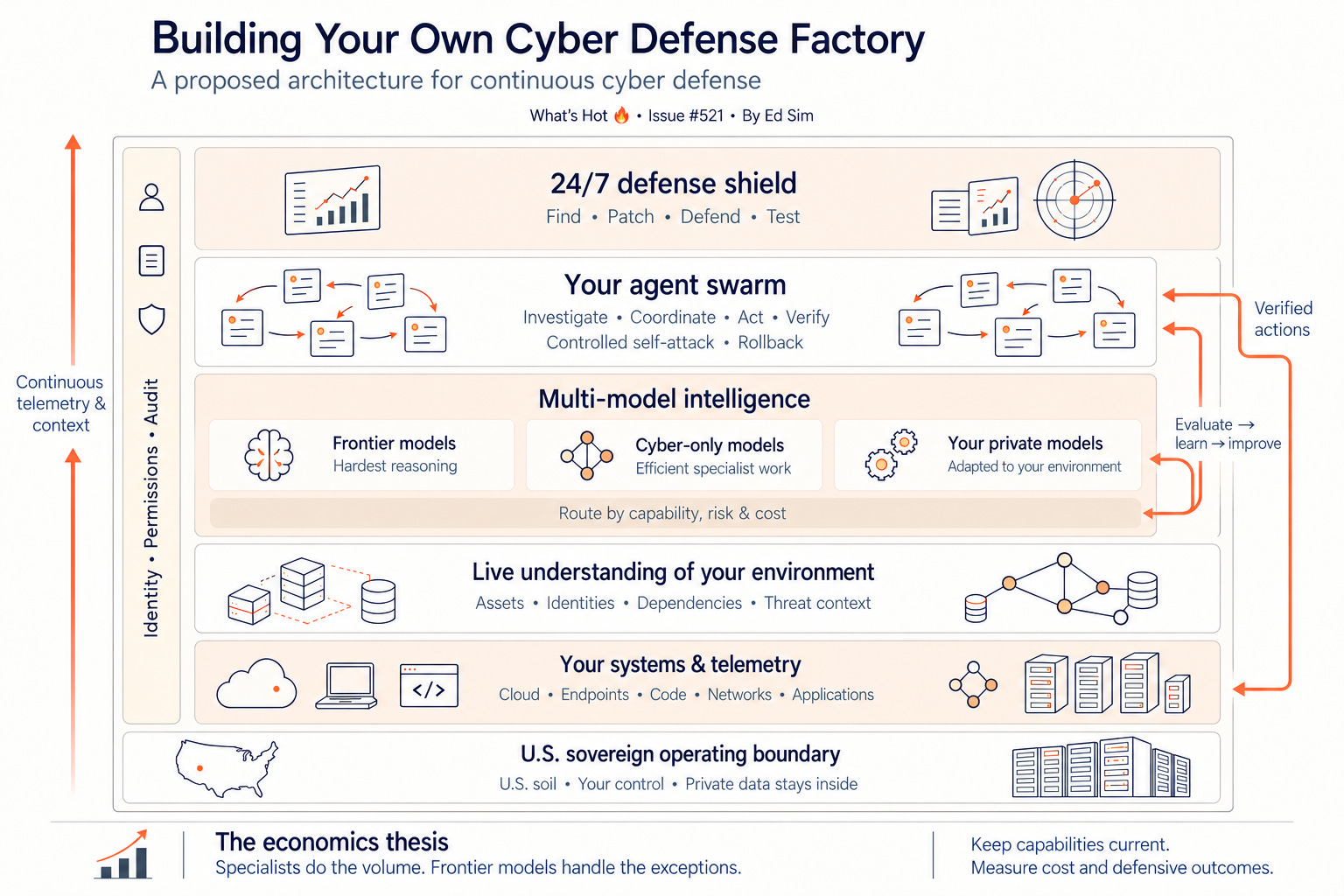
Companies need to build their own cyber defense factories just as developers are building software factories. Security is increasingly a game of compute.
The foundation of that factory is intelligence that understands the environment it’s defending.
We need U.S. sovereign, cyber-only models with frontier-level capabilities, continuously improving as the threats evolve. Intelligence running on U.S. soil that you own and control, learning from your systems while keeping sensitive data inside your environment. Current, capable intelligence, not deprecated models left behind as the frontier moves.
Andrew Curran’s post on Kimi K3.1 gets at the capability question. He quotes Moonshot describing how vulnerability research improved as post-training scaled, and how it deliberately limited offensive cyber capability in the released model.
For defenders, putting that cyber defense factory into practice means agents running 24/7: finding vulnerabilities, patching them, defending systems, and continuously attacking their own systems in controlled environments to find weaknesses before someone else does. Those agents need scoped permissions, independent verification of their work, and the ability to roll back when something goes wrong.
One vision for building your own cyber defense factory. As you can see, it takes a village to defend: lots to build, lots to connect, and lots to keep learning—together, around the clock.
And all of this has to be affordable enough to keep running. Think about the banks, hospitals, and utilities we depend on every day and the teams trying to protect them. They need defense around the clock, and the cost of inference can’t be what holds them back.
That’s the cyber defense factory we need to build. We have to fight compute with compute.
As always, 🙏🏼 for reading and please share with your friends and colleagues!
Thanks for reading What's Hot 🔥 in AI/Infra/VC! This post is public so feel free to share it.
#what happens when AGI shows up in the middle of your startup journey? sage advice especially as Demis shortened his forecast for AGI - everything i’ve been writing about and seeing - easier to build harder things…we are going to have an explosion of science and complex startups - also believes
#are we in a bubble or not - Ken Griffin from Citadel or Jon Gray from Blackstone - follow the incentives 🤣 - Ken probably short and we all know Jon is super long data centers - $200 Billion worth!
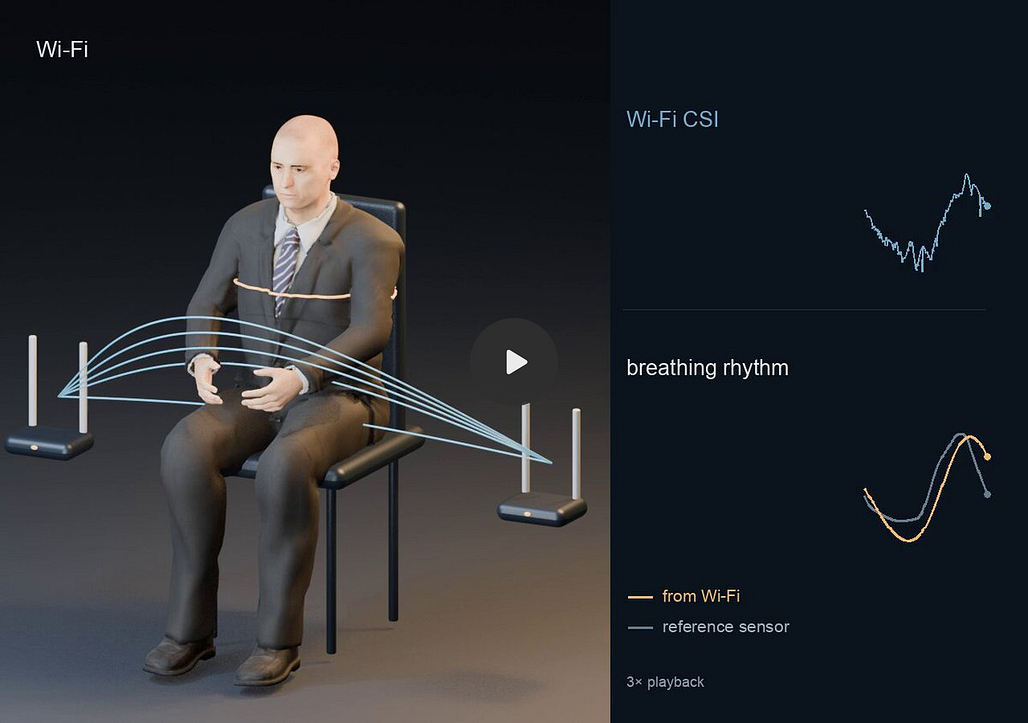
#Legacy modernization is already a tens-of-billions market and growing fast. The bigger unlock comes after: once the buried logic is readable, agents can actually run the workflows that used to sit locked behind opaque mainframe code.
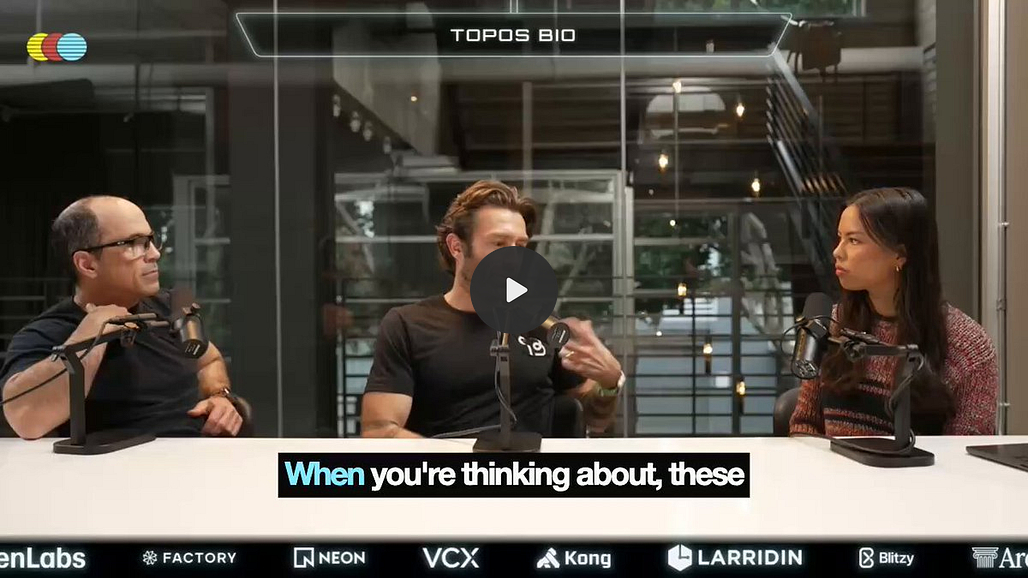
#great overview of what Topos Bio is building and how AI is helping accelerate new drug discovery (boldstart port co) - parkinson’s and alzheimer’s targets have been “undruggable” for decades because they don’t hold one shape... they dance between thousands. ToposBio is building the models to see all of them. and they’re not just training on public data, they’re running their own cellular research in the lab to feed the models
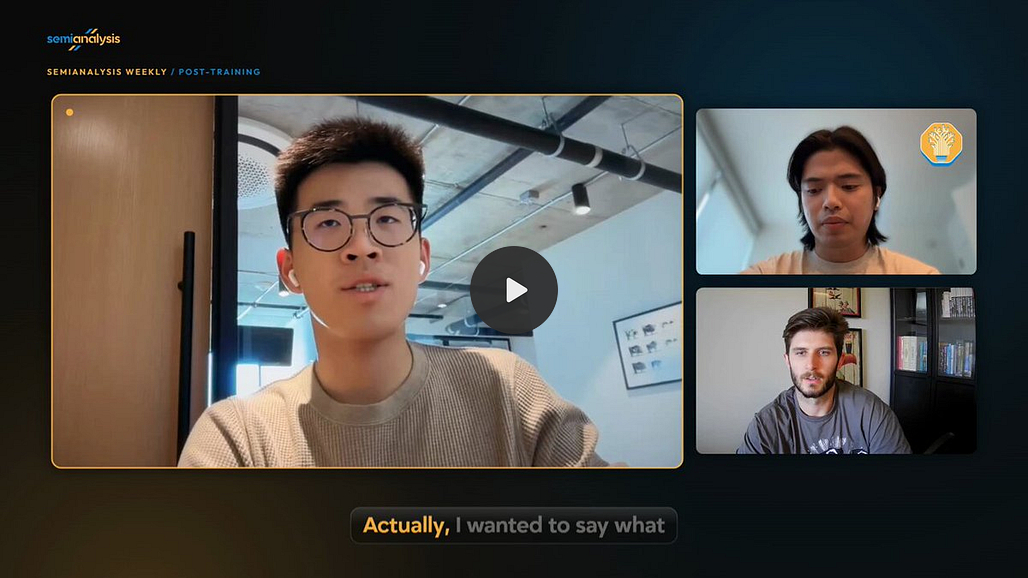
#Post-training alone can deliver night-and-day gains in coding, agents, and cyber capabilities at a fraction of pre-training’s GPU cost. Companies with proprietary data or environments can rival closed models without building massive training clusters.